Tile adhesives
Open time, slip resistance, water exposure, substrate condition, and regional installation standards shape the product review.
Different teams arrive with different questions. A formulator may start with polymer chemistry, a contractor may start with flooring or tile installation, and procurement may start with document availability. This page keeps both views available so teams can find a practical route into the same technical conversation.
Open time, slip resistance, water exposure, substrate condition, and regional installation standards shape the product review.
Resilient, carpet, wood, and specialty flooring teams can align tack, removability, VOC targets, and traffic timing.
Flexibility, bond strength, and cure behavior are assessed alongside jobsite temperature and service exposure.
Rheology, adhesion, leveling, abrasion resistance, and low-emission goals are translated into formulation questions.
Chemical resistance, cleanability, cure speed, and application training are reviewed before a product path is recommended.
Movement, substrate moisture, detailing, and compatibility with finish systems determine the technical review sequence.
Repair, surface preparation, and durability needs are mapped to application windows and documentation requirements.
Movement tolerance, weatherability, bond surfaces, and cleaning expectations guide the material shortlist.
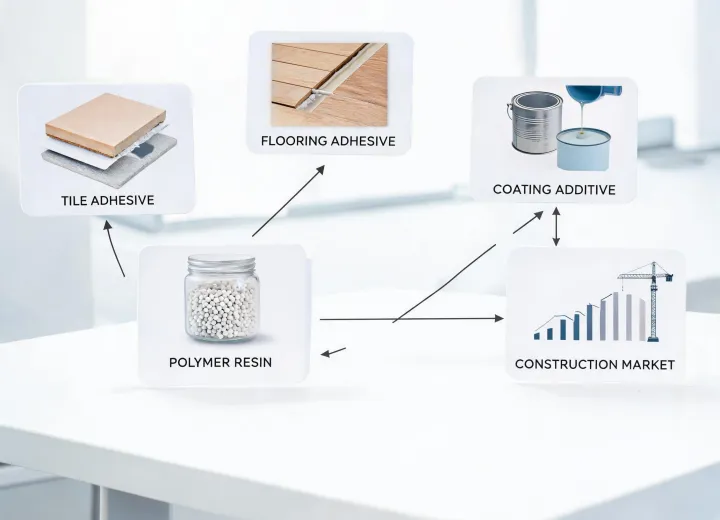
A flooring adhesive can look similar across documents until the team adds substrate moisture, expected traffic, installation temperature, local VOC limits, and cleaning requirements. A coating additive can seem promising until the formulation target includes flow, leveling, film build, adhesion, and abrasion resistance together. Mapei's industry support connects these material and market questions so a buyer can request the right documents, sample path, and technical review the first time.
Tell Mapei whether your team is solving for bond strength, low odor, moisture tolerance, rapid return to service, chemical resistance, or document readiness. A technical advisor can help translate that condition into a focused chemistry review.