SDS/TDS routing
Safety and technical sheets are matched to region, language, and product family before samples are discussed.
Mapei supports teams that need formulation guidance around tile adhesives, flooring adhesives, polymer modified mortar, grout additives, and coating systems. The service is not a black-box quote lane. It is a structured technical conversation where application conditions, substrate risk, regulatory region, and procurement timing are translated into a realistic chemistry shortlist.
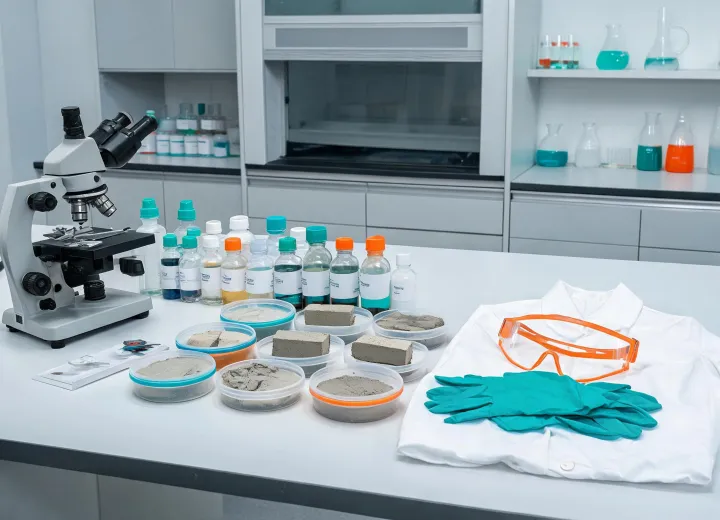
The service team helps buyers clarify which chemistry path is sensible for a project before samples are requested. For construction adhesives and coating additives, the earliest decision often concerns not only the active chemistry but also the tolerance of the jobsite: temperature, water exposure, substrate condition, cleanability, and the amount of time available before traffic returns.
| Review area | Typical request | Decision output |
|---|---|---|
| Polymer modification | Open time, wet tack, water resistance, flexibility | Recommended additive family and test conditions |
| Adhesive formulation | Flooring, tile, wall base, carpet tile, wood floor systems | Substrate compatibility and cure profile notes |
| Coating additives | Flow, leveling, adhesion, abrasion, and low-VOC targets | Candidate additive function and benchmark plan |
| Construction chemistry | Mortar, grout, waterproofing, concrete repair | Application window and document checklist |
Mapei routes product documents according to the buyer's region and application. A flooring adhesive request may need VOC details and installation instructions, while a coating additive review may require lot consistency, SDS language, transport classification, and a statement of formulation intent. The goal is to avoid a late-stage document chase after the product technically looks right.
Safety and technical sheets are matched to region, language, and product family before samples are discussed.
REACH, TSCA, VOC, and local construction-product expectations can be flagged early for review.
Open time, adhesion, moisture tolerance, and cure windows are tied to the user's project environment.
Pilot quantities, distributor routing, and repeat supply requirements are aligned with expected project timing.
Balanced adhesion, flexibility, and water resistance for tile and stone applications.
Flooring and wall base systems where tack, removability, and substrate prep affect fit.
Chemical resistance, cleanability, and cure behavior for demanding installation environments.
Repair, waterproofing, and performance additives reviewed against exposure and timing.
Rheology, leveling, adhesion, and durability questions for industrial coating projects.
Movement, bonding, and weatherability needs translated into document-ready recommendations.
If the project involves a confidential formulation or a private-label installation system, start with a high-level description of substrate, performance target, geography, and expected volume. Mapei can route the request to a suitable technical contact and clarify whether an NDA, document basket, or sample path should come first.